
Common Signs of a Wet Basement: When to Consider Waterproofing
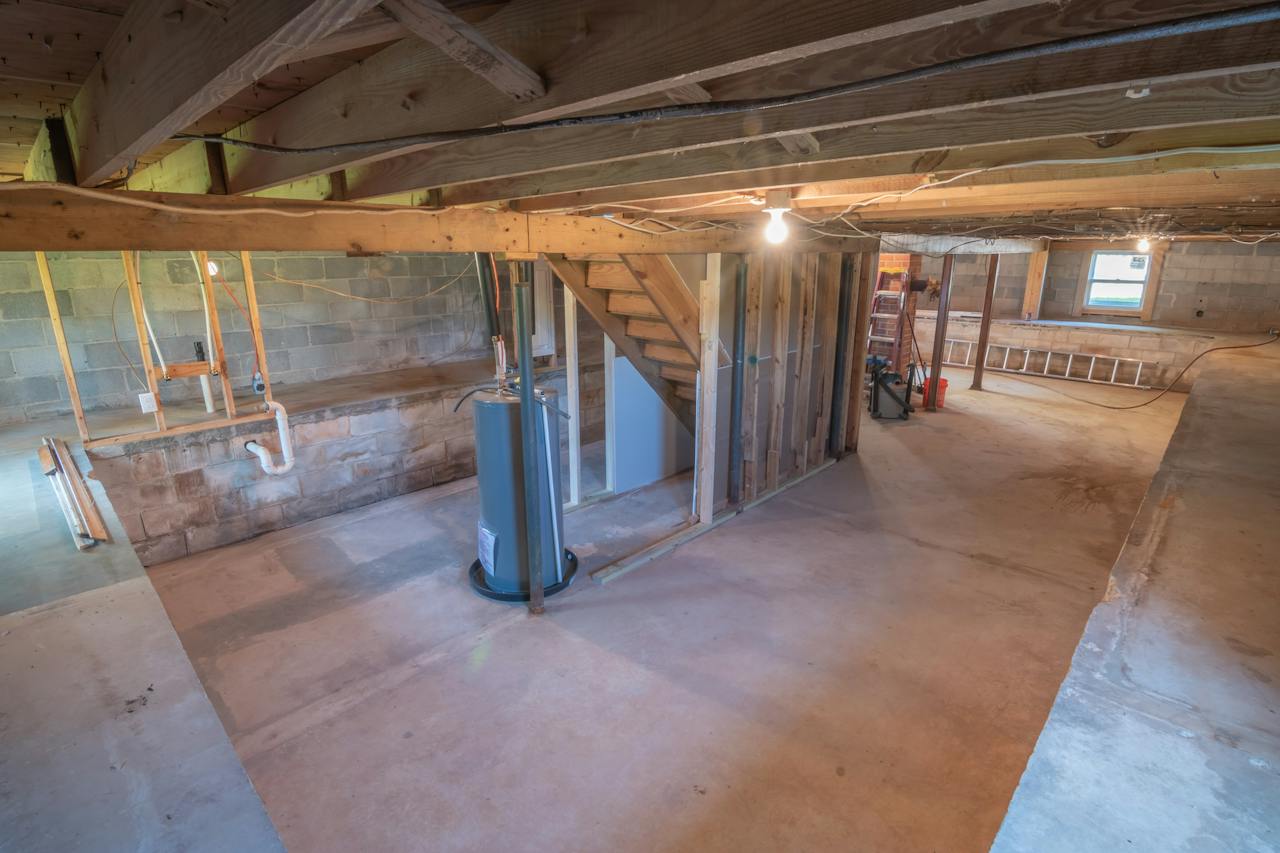
Your basement, often an overlooked realm of your home, can reveal subtle whispers when it’s facing challenges. Among these whispers, the unmistakable voice of dampness can signal potential issues that warrant your attention. In this friendly and informative guide, let’s explore the common signs of a wet basement and understand when it’s time to consider the proactive measure of waterproofing.
Musty Odors as Warning Signals
According to the Basement Waterproofing Hamilton company, one of the first indicators of a wet basement is the presence of musty, unpleasant odors. If you notice a lingering scent reminiscent of dampness or mildew, it’s time to don your detective hat and investigate the potential water intrusion in your basement.
Efflorescence

Efflorescence is the powdery, white residue left on surfaces as water evaporates. It’s a subtle yet indicative trail of water’s journey through your basement walls. If you spot this powdery substance, it’s time to delve deeper into understanding the moisture pathways in your home.
Dampness on the Walls
Run your hands along the basement walls. Do they feel damp or cold to the touch? Persistent dampness on the walls, often accompanied by visible water stains, is a clear indication that moisture is finding its way inside.
Emergence of Mold and Mildew
Where there’s moisture, mold, and mildew are likely to follow. Keep an eye out for the telltale signs of these unwelcome guests greenish or blackish patches on walls, ceilings, or corners. Addressing the root cause of the moisture is crucial to prevent their unwarranted growth.
Puddles and Standing Water
While this might seem obvious, standing water or puddles in your basement are direct red flags. If you find yourself tip-toeing around waterlogged areas after a rainstorm or notice persistent damp patches, it’s time to investigate the source and consider waterproofing measures.
Warped or Buckling Walls
Moisture doesn’t just affect the surface; it can seep into the very structure of your home. Warped or buckling basement walls are clear structural red flags that shouldn’t be ignored. These changes indicate that water is impacting the integrity of your foundation.
Salt Deposits
Look for salt-like deposits on your basement walls, known as efflorescence. These crystalline formations indicate the movement of water through the walls. Understanding the patterns of efflorescence can provide insights into the source of water intrusion.
Sudden Increase in Utility Bills
Keep an eye on your utility bills. A sudden and unexplained increase in water or energy bills could be an indirect indicator of unseen leaks or water damage in your basement. Investigate the cause promptly to prevent further financial strain.
In Conclusion
Your basement is not just a storage space; it’s an integral part of your home’s foundation. Recognizing the common signs of a wet basement is the first step in ensuring its longevity and the overall health of your living space. If you find yourself nodding in agreement with these signs, it might be the right time to consider the proactive and protective measures of basement waterproofing. After all, a dry basement is not just a luxury; it’s an investment in the strength and resilience of your home.…

 Watch sweet TV shows will always bring sweet memories to you. For instance, if you are watching a wedding show, you will definitely remember some sweet moments that you went through during your wedding day. This is good because by bring those sweet memories alive, you are able to rekindle your marriage. Sometimes people destroy their marriage because they never get to flash back on where they have come from.
 should fold it. Start by making two folds along the stripes. Next step is to fold up a triangle, starting from the stripped end. Repeat the second step until the end of the union remains the only part exposed. Finish by folding down the square into a neat triangle and tuck the folds inside. Store the flag in favorable conditions to ensure that it does not degrade when not in use.
 For banner style, the flag does not have grommets. Instead, it has a pole sleeve. They are most suitable for display from a building or any structure, usually mounted at an angle. Grommeted flags, on the other hand, are designed for mounting on tall flagpoles. You can also mount them at an angle, similar way as with banner style flags, if you wish to.

